The initial stages of any project really do set the tone for its success. One of the most effective ways to ensure a strong start is through digital workshops with client and users. Workshops are more than just meetings; they are interactive sessions that foster collaboration, understanding, and strategic alignment.
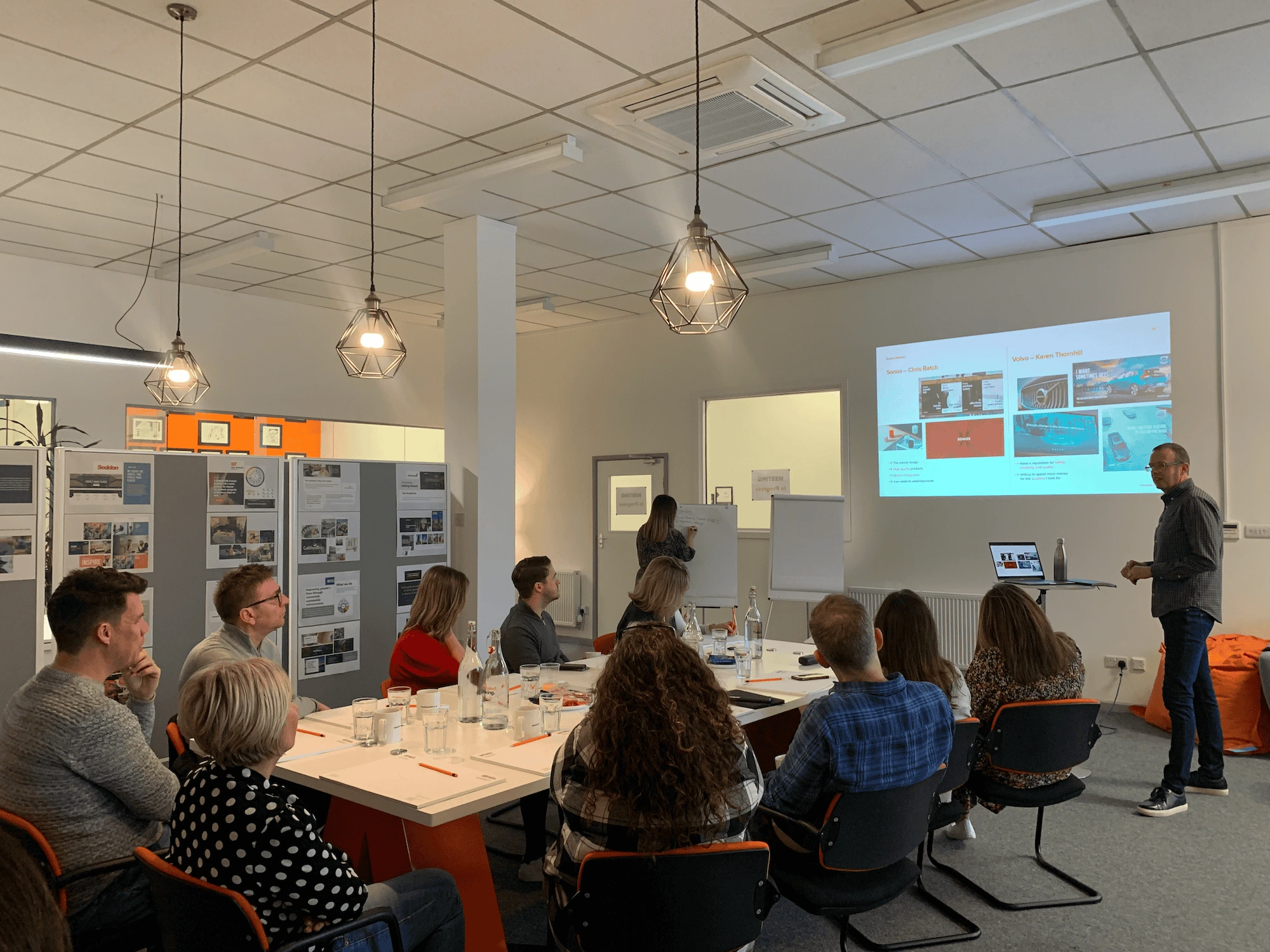
At Absolute, we've refined our approach to running digital workshops to ensure they are productive but also engaging and enjoyable. Below Absolute’s Head of Digital Gemma Illidge shares her advice on prep, planning, and executing workshops for digital projects without the stress…..
The first question – why do you need a workshop, really?
Ask yourself – what do you need to know?
For any digital project there are underlying objectives – solving a business problem to result in more online sales or reimagining an online brand to drive market share. The problem or challenge will vary but through a workshop you can get a real understanding of your client’s business, objectives, and the digital landscape you're navigating into. They are not just meetings; but dynamic sessions designed to provoke thought, encourage discussion, and build a strong foundation for the project ahead. However, to maximise their benefits, workshops must be carefully planned and executed with clear objectives in mind. There's no point in having a workshop just for the sake of it. Write a very clear statement – This workshop is designed to…..
Types of Workshops
At our agency, we typically run three main types of workshops: Stakeholder Workshops, User Workshops, and Content Workshops. Each serves a specific purpose and contributes to the overall digital strategy in distinct ways. At the heart of our approach is what we call Absolute Clarity a process designed to understand your unique 'why'.
Stakeholder Workshops
Stakeholder Workshops can be the most challenging to organise, given the need to coordinate multiple diaries, ensure the right people attend, and find a suitable venue for everyone. In my experience these almost always need to be face to face workshops. Getting the right level of engagement and focus is so important. Stakeholder workshops aim to gather insights from key business leaders about core activities, business objectives, challenges, and digital aspirations. We discuss their views on the current digital environment, what they want from it, and what they believe their users need.
User Workshops
User Workshops are crucial for understanding the end-users of a digital solution. These sessions can include similar activities to Stakeholder Workshops but are tailored to gather user-specific insights. The location is also important for these workshops—neutral venues often work best to ensure unbiased feedback. However, remote/online workshops can be more easily facilitated with end-users but the workshop content needs to be focused and on screen materials designed for clarity.
Profiling users beforehand is essential to ensure diverse representation. Pre-session questionnaires help set expectations, while post-session questionnaires can gauge changes in perception and provide additional insights. These workshops explore who the users are, their needs and challenges, and their engagement with technology. This insight can be invaluable when embarking on a new digital project.
Content Workshops
Content Workshops focus on reviewing, challenging, and improving existing content. These sessions help define content strategies, create content guidelines, and ensure that all content aligns with the new digital environment. We also discuss workflows for content approval and the types of content needed, including copy, images, animations, and videos.
Conducting Effective Workshops
The success of a workshop hinges on careful planning and execution. Here are some of my key considerations:
Who Should Attend?
The right mix of attendees is crucial. For Stakeholder Workshops, this includes representatives from all areas of the business not just senior management. Make sure you have a good mix of representatives from all relevant departments. Also make sure that everyone is up to speed on the agenda beforehand, what’s expected of them and any pre-reading you want them to do.
Creating the Right Environment
The workshop environment should be open, honest, and should fuel participation from everyone. We often try to avoid formal boardrooms and opt for more relaxed settings. Simple, creative introductions help participants feel comfortable, and breaking larger groups into smaller teams encourages active involvement. Ensuring quieter attendees have a voice and balancing dominant personalities is crucial for a fair representation of views.
Location and Equipment
Choosing the right location can make a significant difference. A room with enough space for movement and group activities is ideal. Our space is perfectly designed for brainstorming and idea-storming, creating a relaxed environment can really set the tone for the workshop. Make sure to build in breaks so people can break off, have a cuppa and refuel. Snacks usually help too!
Benefits of Well-Run Workshops
The benefits of a well-run workshop go beyond the immediate project. For the agency, workshops foster a deep understanding of the client's business, align team efforts with client goals, and enable us to propose the right features, saving time and costs. They also provide insights into the customer's experience, highlight improvement areas, and support the development of a project roadmap.
For clients, workshops offer significant internal benefits. They involve cross-functional teams in creating their futures, increasing buy-in and ownership of the project. Workshops enhance empathy for customer experiences, ensure everyone is aligned, and help make better strategic decisions with stakeholder support. They also reduce conflict, generate enthusiasm for the project, and build commitment among internal teams.
Conclusion
In my experience, running digital workshops with clients is one of the most valuable aspects of project initiation. These sessions are not just about gathering information; they are about building relationships, fostering collaboration, and setting the stage for successful project outcomes. They deserve careful consideration and effort, but the rewards they bring to both the agency and the client are well worth it. If you're embarking on a new digital project, I highly recommend investing in well-structured workshops. The benefits will speak for themselves, creating a solid foundation for a successful partnership and project.